
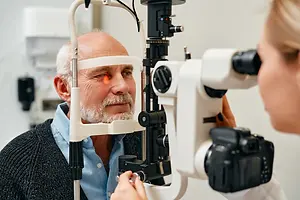
Diabetes can affect much more than blood sugar levels. Over time, high blood sugar can damage the retina's small blood vessels, sometimes before you notice changes in your vision.
At Newton Optometry Clinic, our optometrists provide diabetic eye exams in Surrey, British Columbia with advanced diagnostic technology and personalized guidance.
Why Are Diabetic Eye Exams Important?
Diabetic eye disease can develop without obvious symptoms in its early stage. Regular eye exams allow our optometrists to look closely at the retina and check for diabetic retinopathy and other eye problems associated with diabetes.
People with diabetes are at higher risk for several eye conditions. Managing blood sugar levels, blood pressure and cholesterol, along with regular eye care, can help protect your vision and lower the risk of diabetic retinopathy.
How Can Diabetes Affect Your Eyes?
High blood sugar can damage delicate blood vessels throughout the body, including the vessels in the retina. Regular eye exams help our optometrists monitor these changes and identify concerns that may require further care.
Diabetic Retinopathy
Diabetic retinopathy occurs when diabetes damages the retina's blood vessels. Changes can develop before symptoms appear, so routine diabetic eye exams help detect problems early.
Diabetic Macular Edema
Damaged retinal blood vessels can leak fluid into the macula, the area responsible for detailed central vision. This swelling can cause blurred or distorted vision.
Cataracts
People with diabetes have a higher risk of developing cataracts. A cataract clouds the eye’s natural lens and can make vision appear blurry, hazy, or less colourful.
Glaucoma
Diabetes is associated with a higher risk of glaucoma, a group of eye conditions that can damage the optic nerve. Regular testing helps our optometrists monitor your eye health for signs of concern.
Changes in Vision
Changes in blood sugar levels can temporarily affect how clearly you see. New or persistent vision changes deserve attention from our optometrists so they can assess the cause.
What Happens During a Diabetic Eye Exam?
A diabetic eye exam gives our optometrists a detailed view of your eye health. Depending on your needs, testing can help identify diabetic eye disease and other concerns before they begin affecting your daily vision. Your diabetic eye exam may include:
- Retinal imaging: Detailed images allow our optometrists to examine the retina and track changes over time.
- OCT imaging: Cross-sectional images provide a closer look at the retina and macula.
- Dilated eye exams: Eye drops widen the pupils so our optometrists can examine more of the retina. Temporary blurred vision or light sensitivity can occur after dilation.
- Visual field testing: This test checks peripheral vision and can help monitor eye conditions such as glaucoma.
- Vision testing: This measures how clearly you see and identifies changes in your prescription.
After your exam, our optometrists will explain the findings and discuss any recommended monitoring, follow-up care, or next steps.
Get Accessible Diabetic Eye Care in Surrey, BC
Regular eye exams are an important part of caring for your sight when you live with diabetes. At Newton Optometry Clinic, we combine thorough testing with personal care and offer direct billing for eligible patients, including refugee support and First Nations vision care programs. Book your diabetic eye exam in Surrey.
Diabetic Eye Exam FAQs
How Often Should I Have a Diabetic Eye Exam?
Many people with diabetes need a comprehensive dilated eye exam at least once a year, although individual needs vary. Our optometrists can recommend an exam schedule based on your eye health and medical history.
Can Diabetes Affect My Eyes Without Symptoms?
Yes. Diabetic retinopathy and other eye problems can develop before you notice symptoms. Regular eye exams give our optometrists a chance to identify changes early.
What Raises the Risk of Diabetic Retinopathy?
Long-term high blood sugar, high blood pressure, high cholesterol, and living with diabetes for a longer period can increase risk. Keeping diabetes well managed and attending regular eye exams can help protect your vision.