
Whether you're a parent watching your child struggle in school, a working adult managing screen fatigue, or a senior wanting to protect your independence, regular eye exams can catch problems early, before they affect your quality of life.
At Newton Optometry Clinic, we care for the full picture of your eye health. Our comprehensive eye exams go beyond vision testing to detect signs of eye disease, monitor the health of your retina and optic nerve, and even identify early indicators of systemic conditions such as high blood pressure and diabetes.
What Is a Comprehensive Eye Exam?
A comprehensive eye exam is more than a vision check; it’s a medical evaluation of your eye health. At Newton Optometry Clinic, every exam includes:
- Visual acuity test: Measures how clearly you see at distance and near.
- Refraction assessment: Determines your glasses or contact lens prescription.
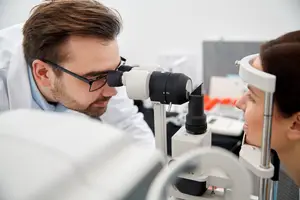
- Slit lamp exam: Evaluates your cornea, lens, and other eye structures.
- Eye pressure check (puff of air): Screens for glaucoma risk.
- Retinal and optic nerve assessment: Detects signs of eye disease and nerve damage.
- Visual field test: Identifies blind spots or neurological concerns.
We also take time to ask about your daily vision needs and health history. This personalized approach helps us recommend the best care for your lifestyle, whether that includes screen-heavy workdays, outdoor sports, or age-related concerns.
Why Eye Exams Matter at Every Age
Routine eye exams are critical for people of all ages, not just those who wear glasses or contacts. Here’s why:
1. Children: Detect Vision Issues Before They Affect Learning
Many vision problems show up early. A pediatric eye exam can detect lazy eye, focusing difficulties, or the need for glasses, often before a child can explain what’s wrong.
2. Teens & Young Adults: Support Screen-Focused Lifestyles
Digital eye strain is real. Eye exams help manage symptoms like dry eyes, headaches, and light sensitivity linked to prolonged screen use.
3. Adults: Track Subtle Changes and Protect Eye Health
Even if your vision feels fine, eye exams can detect conditions such as glaucoma, retinal damage, and early signs of diabetic eye disease before symptoms appear.
4. Seniors: Preserve Sight and Independence
Age-related conditions such as macular degeneration, cataracts, and chronic dry eye are more common after age 60. Early detection helps protect your sight and your freedom.
5. Patients With Health Conditions
If you have high blood pressure, diabetes, or autoimmune disorders, regular eye exams are an essential part of managing your overall health. The eyes can reveal changes in blood vessels and other warning signs long before you feel sick.
Types of Eye Exams at
Depending on your age, health history, and lifestyle, different types of eye exams may be recommended. Here are some of the most common, along with what each one can reveal:
- Routine Eye Exam: This includes basic vision testing and a prescription update. It’s often where many people stop, but it shouldn’t be your only exam if you have other risk factors.
- Contact Lens Exam: If you wear contact lenses, you’ll need additional tests to evaluate lens fit, corneal health, and tear film quality.
- Diabetic Eye Exam: Diabetes can damage the small blood vessels in your eyes, leading to diabetic retinopathy. Regular eye exams help monitor and manage these changes before they impact vision.
- Pediatric Eye Exam: A child’s vision affects everything from reading to social development. Pediatric eye exams assess not just visual acuity, but also eye teaming, tracking, and focusing skills.
- Senior Eye Exam: For older adults, eye exams focus on age-related changes like glaucoma, cataracts, and age-related macular degeneration. These are eye conditions that can progress without pain or early symptoms.
- Emergency or Problem-Focused Eye Exam: Sudden changes in vision, light sensitivity, floaters, or eye pain require immediate attention.
Get Vision Care Built Around the Needs of Residents
Life in Newton Optometry Clinic moves quickly—between school schedules, long work hours, and screen time, it’s easy to put off your eye exam. But protecting your sight shouldn’t be an afterthought.
Our team at Newton Optometry Clinic has cared for local families for over 35 years. From routine checkups to the management of complex conditions, we make comprehensive eye care accessible, understandable, and compassionate. Book your next eye exam with us to get eye care tailored to you.
Eye Exam FAQs
What is a comprehensive eye exam?
A comprehensive eye exam checks both your vision and overall eye health. It includes tests like a visual acuity test, slit lamp exam, and optic nerve evaluation to detect issues like glaucoma, retinal damage, or signs of systemic diseases.
How often should I get an eye exam?
Most people benefit from an eye exam every 1–2 years. Children, seniors, and patients with health conditions may need more frequent visits. Your eye doctor can recommend the proper schedule based on your history.