
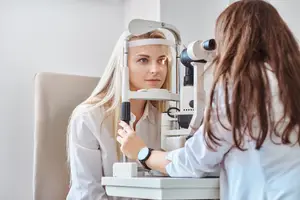
Your vision is one of your most valuable senses, and like the rest of your body, your eyes benefit from intentional care. As we begin 2026, now’s the perfect time to focus on habits that support long‑term eye health. At Newton Optometry Clinic, your eye clinic in Surrey, we know that scheduling regular eye care services and certain lifestyle habits can help keep your vision clear and comfortable.
Below, we’ll walk through practical, science‑backed strategies to protect your eyes, reduce strain, and keep your vision sharp all year long.
Why Eye Health Matters in 2026
Your eyes are more important than you might think. They give your brain up to 80% of sensory input. Moreover, many chronic diseases like diabetes and hypertension, show early signs in the eyes. Eye care is especially important in 2026, as screen time, aging, and chronic health conditions continue to affect eye health.
- Regular, proactive eye care can:
- Detect eye conditions early
- Reveal systemic health conditions
Prevent discomfort like digital eye strain Whether you spend hours on screens, experience blurry vision, or just want to maintain your vision, these tips are for you.
1. Schedule a Comprehensive Eye Exam
Even if your vision feels fine, a yearly comprehensive eye exam with your optometrist in Surrey is beneficial. Eye exams do more than check your prescription. They assess eye muscle function, check for glaucoma and cataracts, and screen for many systemic conditions.
Tip: Adults under 65 without symptoms should have an exam every 1–2 years. Older adults or those with health risks may need exams more often.
2. Take Regular Screen Breaks
Screens are part of life, but they can cause digital eye strain, leading to dry eyes, headaches, and blurry vision. Try the 20‑20‑20 rule:
Every 20 minutes, look at something 20 feet away for at least 20 seconds.
- Other ways to reduce screen strain include:
- Positioning your screen slightly below eye level
- Reducing glare with proper lighting
Adjusting display settings for comfort If irritation persists, talk with us about digital eye strain solutions.
3. Eat Foods That Support Eye Health
Nutrition plays a vital role in maintaining healthy vision. Foods rich in omega‑3 fatty acids, vitamins A, C, and E, and lutein and zeaxanthin help protect retinal cells and combat oxidative stress. Great options include:
- Leafy greens (spinach, kale)
- Fish like salmon and tuna
- Eggs, nuts, and seeds
- Citrus fruits
While diet alone isn’t a cure‑all, it’s a foundational part of a holistic eye‑health plan. Always check with your general medical doctor before making any changes to your diet.
4. Wear Sunglasses Daily
Even during the cold winter months, UV rays can harm your eyes. In fact, snow can reflect harmful UV rays into the eyes, causing painful symptoms. UV exposure contributes to cataracts, macular degeneration, and even sunburn of the eye. Always remember that on cloudy days, UV rays still reach the surface.
Pick sunglasses that:
- Block 99–100% of UVA and UVB rays
- Fit close to your face
- Reduce glare
Ask us about options that combine vision correction with UV protection.
5. Manage Chronic Health Conditions
Conditions like diabetes, high blood pressure, and autoimmune disorders can affect eye health. High blood sugar, for example, can damage retinal blood vessels and lead to diabetic eye disease if unchecked.
What you can do:
- Keep regular medical checkups
- Track blood sugar and blood pressure
- Share changes in your health with your eye doctor at your next visit
Coordinated care between your medical and eye care providers leads to better outcomes.
6. Stay Active and Hydrated
Good circulation supports eye health by delivering nutrients and oxygen to eye tissues. Regular physical activity improves blood flow, while hydration helps maintain optimal tear production and comfort.
Quick tips:
- Aim for ~30 minutes of movement most days
- Drink water consistently throughout the day
- Take movement breaks during long work sessions
7. Know When to Seek Immediate Care
Some eye symptoms and vision problems require prompt evaluation. Contact Newton Optometry Clinic or urgent care if you experience:
- Sudden vision loss
- Flashes of light or new floaters
- Severe eye pain
- Eye injury
A quick response can make a significant difference in preserving vision.
Start 2026 with Clear Vision
Protecting your vision doesn’t have to be complicated, but it does take intention. By scheduling regular exams, caring for your overall health, and building healthy habits, you invest in a lifetime of healthy vision.
Ready for your next eye exam or have questions about eye care in 2026?
Contact Newton Optometry Clinic today to book an appointment. We look forward to serving you!